Smart Lock Recycling: Safe Data Wipe & Disposal Guide
By Ava Thompson • 3rd Jan

When winter storms hit our neighborhood last year, I saw firsthand what happens when technology fails at the most critical moment, a neighbor's smart deadbolt froze during a blizzard. The batteries sagged, the strike was misaligned, and the backup key stuck. If this happens to you, here’s how to regain access and prevent it next time with our emergency 9V power fix and battery guide. After we got them back inside, we realized the lock had reached the end of its usable life. That's when many of us face an important question: how do you responsibly dispose of a smart lock that's served its purpose? Smart lock recycling demands special attention to both data security and environmental impact, making eco-friendly disposal essential for privacy-conscious homeowners and renters alike. Unlike traditional locks, these devices store access logs, user codes, and sometimes Wi-Fi credentials that require careful handling before recycling. Learn how to keep control of those records with our guide to smart lock data ownership.
Why is smart lock recycling different from standard locks?
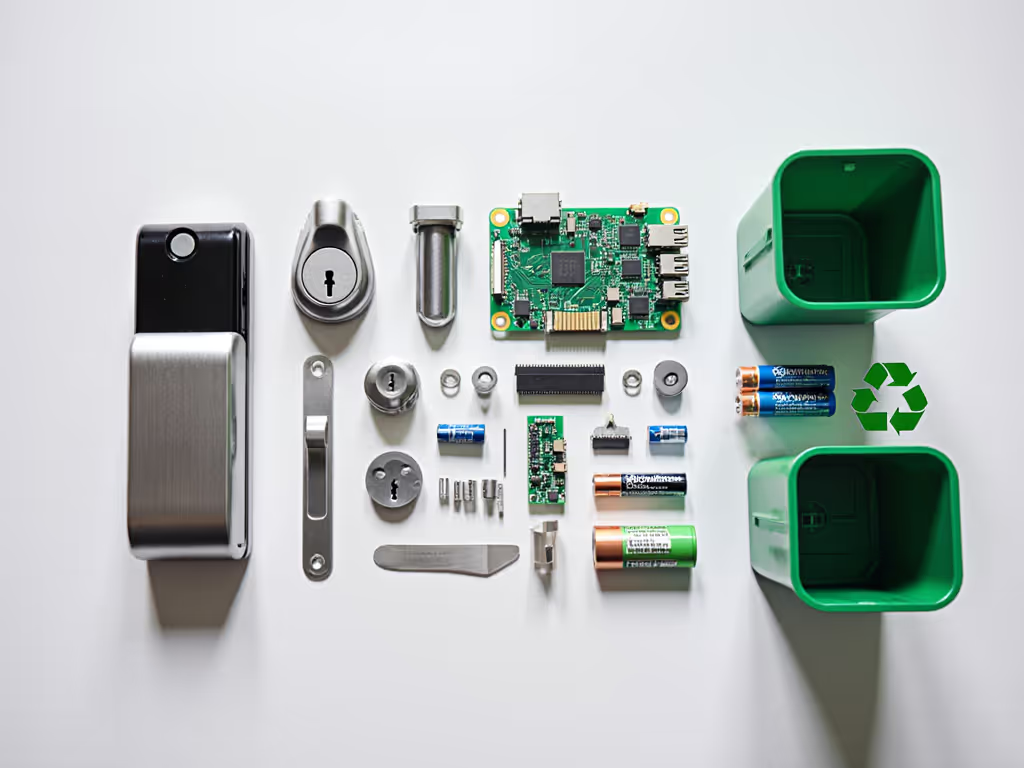
Traditional locks are simple mechanical devices, and recycling typically means taking them to a scrap metal facility. Smart locks, however, combine mechanical components with electronics, batteries, and data storage. This creates a dual challenge: protecting your personal information while ensuring proper electronic waste management. The circuit boards contain trace amounts of precious metals like gold and copper that can be recovered through component recovery processes, but they also store your access history. Proper recycling separates these elements safely, preventing both data exposure and environmental contamination.
How do I securely wipe my smart lock before disposal?
Data security must be your first priority. According to cybersecurity experts, simply removing batteries doesn't erase stored information. Follow these steps:
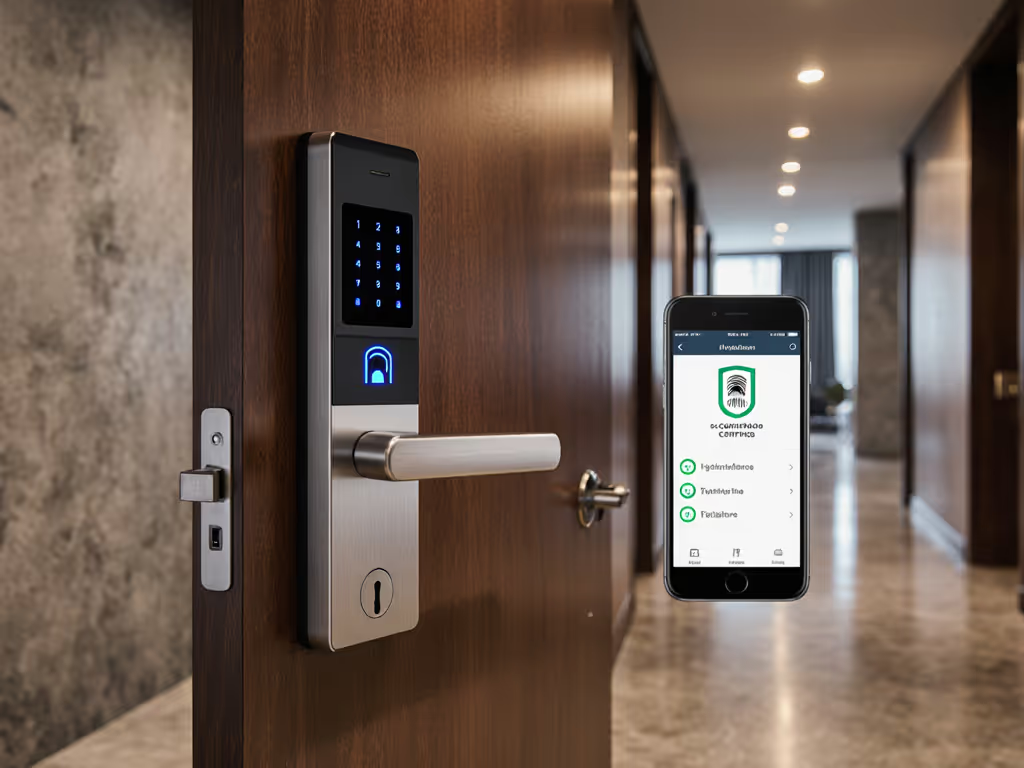
- Reset to factory settings through the manufacturer's app (if functional)
- Remove all user codes and access permissions don't rely on the "delete user" function alone
- Physically disconnect any backup batteries or supercapacitors
- Soak the circuit board in isopropyl alcohol for 10 minutes if you're technically comfortable (this disrupts data storage without damaging recyclable components)
The National Institute of Standards and Technology confirms that electronic devices retain data even after apparent deletion. For renters especially, thorough data removal protects against potential misuse of your access history by subsequent occupants.
What critical components need special handling?
Smart locks contain several elements requiring specific disposal methods:
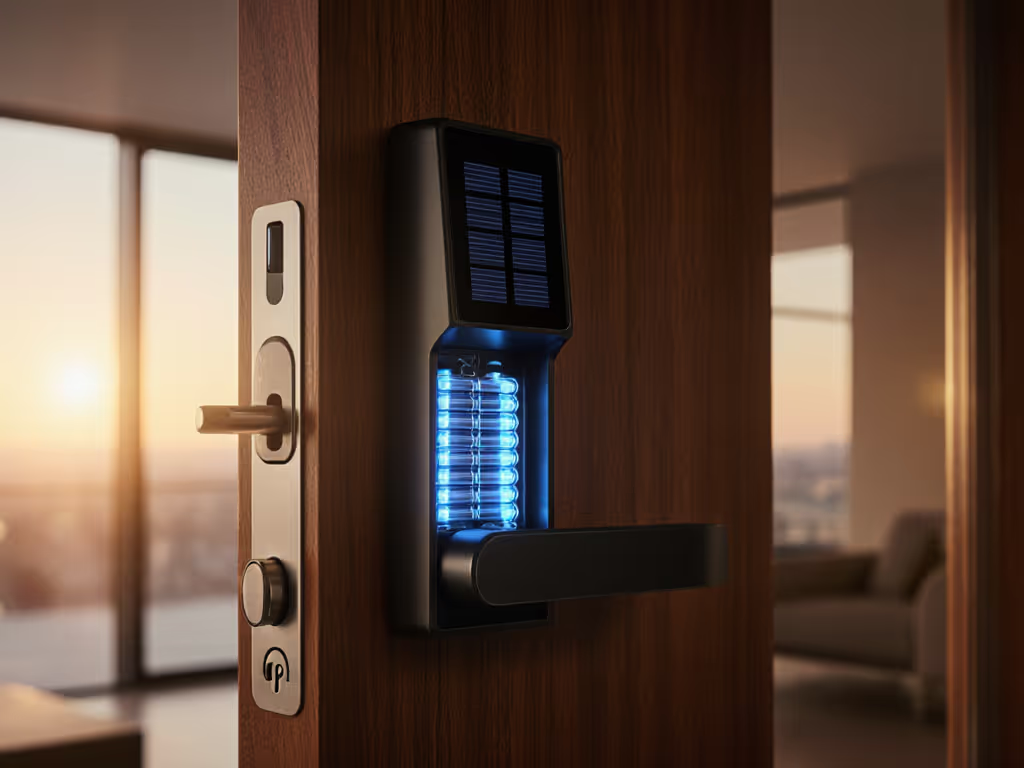
- Lithium batteries: Most smart locks use compact lithium cells that require separate battery disposal protocols
- Circuit boards: Contain copper, gold, and silver that should be recovered through certified e-waste recycling
- Mechanical components: The deadbolt mechanism, handle, and chassis can often be recycled as standard metal
- Plastic casings: Many contain flame retardants that require special processing
The ANSI/BHMA Grade rating of your lock's mechanical components indicates metal quality, which directly affects their recyclability value. Higher-grade locks typically contain more valuable metals that recycling facilities prioritize.
What should renters know about smart lock disposal?
Rental agreements often require returning doors to original condition, which extends to disposal responsibilities. For non-permanent installs, see our no-drill renter smart locks. When removing a smart lock:
- Document door prep and fit before installation with photos (this helps prove you didn't cause permanent damage)
- Keep original hardware in a labeled bag with your security deposit documentation
- Never abandon smart locks in rental properties, this creates liability for the next tenant
- Verify strike plate alignment before removal to ensure the door closes properly with the original hardware
Remember that renters' greatest vulnerability comes from improper data removal. Previous tenants' access codes and schedules could theoretically be recovered from improperly disposed devices, creating privacy risks for current occupants.
How can I tell when my smart lock needs recycling?
Secure the door; simplify the tech. When mechanics fail, technology becomes a liability.
- Consistent latch torque issues: the lock struggles to engage fully
- Spindle tolerance degradation causing intermittent operation
- Manufacturing discontinuation (no firmware updates for 2+ years)
- Physical damage to the weatherproofing seals
- Battery life that can't maintain 30 days between changes
That neighbor from the blizzard story? Their lock showed multiple warning signs before failing completely. We should have addressed the strike plate alignment issues months earlier. Physical reliability should always be your first security layer.
What's the proper way to recycle smart lock batteries?
Lithium batteries pose fire risks if improperly handled. Follow this battery disposal guide:
- Remove batteries carefully using non-conductive tools
- Place each battery in individual plastic bags
- Tape terminals with non-conductive masking tape
- Take to designated battery recycling centers (most electronics retailers offer this)
Never dispose of lithium batteries in regular trash or curbside recycling. One damaged battery can ignite an entire recycling truck, according to recent EPA data. Community hazardous waste facilities accept these components safely and often provide tracking for proper disposal.
Where can I recycle my smart lock responsibly?
Not all e-waste facilities handle smart home devices properly. Look for:
- Certified recyclers with R2 or e-Stewards certification
- Manufacturer take-back programs (many offer free shipping labels)
- Retailer collection bins at major electronics stores
- Municipal hazardous waste events held quarterly in most urban areas
Verify that potential recyclers provide certificates of data destruction, this proves they followed proper protocols for information security. Responsible facilities use "smart sorting" technology to separate components efficiently while protecting your privacy.
How does proper recycling benefit future security?
When we prioritize eco-friendly disposal, we're not just protecting the environment, we're creating better security products for tomorrow. Recovered metals reduce mining impacts while supporting circular manufacturing. For deeper eco impact data and recycling programs, see our smart lock sustainability analysis. More importantly, establishing good end-of-life habits creates awareness that security devices have finite lifespans. Just as I taught my neighbor to check their door prep and fit regularly, we should all monitor our devices' health throughout their lifecycle.
Smart home security works best when we treat technology as an enhancement to physical security (not a replacement). Secure the door first; then add brains that respect privacy. When those brains reach their end-of-life, give them the responsible exit they deserve.
Actionable Next Step
Before your next security upgrade, check if your municipality offers free e-waste collection events this month. Most cities schedule these around tax season when people are cleaning out homes. Visit your local waste management website and search for "electronic waste collection schedule" (you'll likely find upcoming dates within the next 30 days). While you're there, download their printable guide for proper battery disposal. Taking this small step ensures your old smart lock gets the responsible exit it deserves, protecting both your data and the environment.
Related Articles